
Pittsburgh Antenna TV Guide: A Comprehensive Overview (Updated 02/11/2026)
Discover free‚ local channels in Pittsburgh with an antenna! This guide details available networks‚ signal strength‚ antenna types‚ and troubleshooting tips for optimal viewing․
Welcome to the world of free television! Pittsburgh residents have a fantastic opportunity to access numerous channels simply by utilizing a digital antenna․ Over-the-air (OTA) TV provides a high-definition viewing experience‚ often superior to cable or streaming‚ without monthly fees․ The Pittsburgh market‚ ranked 23rd nationally‚ boasts a diverse range of networks accessible via antenna‚ including CBS‚ ABC‚ NBC‚ and PBS․
This guide serves as your comprehensive resource for navigating Pittsburgh’s OTA landscape․ We’ll explore channel availability‚ signal considerations‚ antenna selection‚ and troubleshooting techniques․ Reclaim control of your entertainment and rediscover the joy of free‚ local television broadcasting in the Steel City!
Understanding Digital Channels vs․ Analog Channels

Historically‚ television broadcasting utilized analog signals‚ prone to interference and limited in picture quality․ However‚ the transition to digital television (DTV) revolutionized the viewing experience․ Digital signals deliver a clearer‚ sharper picture and allow for the transmission of multiple channels – subchannels – on a single frequency․
In Pittsburgh‚ you’ll encounter both “real” channel numbers (like 2‚ 4‚ or 11) and “virtual” channel numbers (like 25․1‚ 51․2‚ or 48․3)․ The virtual channel number is what your TV displays‚ while the real channel represents the underlying frequency․ Understanding this distinction is crucial for antenna setup and channel scanning for optimal reception․
Top Local Channels Available via Antenna in Pittsburgh
Pittsburgh viewers have access to a robust selection of channels via over-the-air antenna․ The “Big Three” networks – CBS (KDKA-TV‚ Channel 2/25․1)‚ ABC (WTAE-TV‚ Channel 4/51․1)‚ and NBC (WPXI-TV‚ Channel 11/48․1) – consistently provide high-quality programming․ These stations broadcast news‚ sports‚ and popular entertainment․
Beyond these major networks‚ Pittsburgh is also served by PBS (WQED‚ Channel 13) offering educational and cultural content‚ and WINP (Channel 16/38․1) providing additional programming options․ Regularly rescanning your antenna ensures you receive all available channels and subchannels in your area․

KDKA-TV (CBS) ⎼ Channel 2
KDKA-TV‚ Pittsburgh’s CBS affiliate‚ broadcasts on physical channel 2 and digital channel 25․1 (KDKA-HD)․ As a cornerstone of the Pittsburgh television market‚ KDKA delivers local news‚ investigative reporting‚ and CBS network programming․ Viewers can enjoy prime-time shows‚ sports broadcasts – including Steelers and Penguins coverage – and essential local updates․
Subchannel 25․2 is home to StartTV‚ offering a diverse range of classic and contemporary television series․ Reliable reception of KDKA-TV is generally good throughout much of the Pittsburgh metropolitan area‚ but antenna placement can impact signal strength․
WTAE-TV (ABC) ⎯ Channel 4
WTAE-TV‚ the ABC affiliate serving Pittsburgh‚ transmits on physical channel 4 and digital channel 51 (WTAE-HD)․ Known for its commitment to local news and community programming‚ WTAE provides Pittsburgh residents with comprehensive coverage of regional events and national ABC network shows․ Viewers can access popular dramas‚ comedies‚ and live sports events․
WTAE’s New 7News delivers up-to-the-minute reports‚ while its digital signal ensures a high-quality viewing experience․ Signal reception is typically strong within the city limits‚ but may vary in more remote areas‚ necessitating careful antenna positioning․
WPXI-TV (NBC) ⎯ Channel 11
WPXI-TV‚ Pittsburgh’s NBC affiliate‚ broadcasts on channel 11‚ utilizing digital channel 48 (WPXI-HD)․ This station delivers a blend of national NBC programming‚ including popular shows‚ live sporting events‚ and award-winning news coverage tailored for the Pittsburgh metropolitan area․ WPXI consistently ranks among the top local news providers․
Viewers can expect reliable signal strength within the city‚ though reception can be impacted by terrain and distance from the transmitter․ Optimizing antenna placement is crucial for a clear picture and uninterrupted access to NBC’s prime-time lineup and local broadcasts․
Beyond the Big Three: Additional Channels
Pittsburgh antenna viewers aren’t limited to just CBS‚ ABC‚ and NBC! Several other valuable channels are accessible over-the-air‚ expanding your viewing options significantly․ WQED (PBS)‚ on channel 13‚ provides educational programming‚ documentaries‚ and cultural content‚ free of charge․ WINP‚ broadcasting on channel 16 (digital 38)‚ offers a diverse range of programming‚ including religious and community-focused shows․
These additional channels enhance the value of antenna TV‚ providing alternatives to mainstream entertainment․ Signal strength varies‚ so antenna adjustments may be needed for optimal reception of these stations․
WQED (PBS) ⎼ Channel 13
WQED‚ Pittsburgh’s PBS affiliate‚ is a cornerstone of local broadcasting‚ offering high-quality educational and cultural programming․ Channel 13 delivers a diverse schedule including documentaries‚ news‚ children’s shows‚ and arts performances․ Viewers can enjoy nationally recognized PBS series alongside locally produced content that reflects the Pittsburgh community․
Receiving WQED via antenna is free and provides ad-free viewing․ Signal strength is generally good within the Pittsburgh metro area‚ but an antenna adjustment might be necessary for those in more remote locations․ It’s a valuable addition to any antenna setup!
WINP ⎯ Channel 16
WINP‚ broadcasting on Channel 16 (digital channel 38)‚ offers a diverse programming lineup to the Pittsburgh area․ Often featuring a mix of classic television shows‚ movies‚ and local interest content‚ WINP provides an alternative to the major networks․ It’s a locally owned and operated station dedicated to serving the community with unique programming options;
Reception of WINP can vary depending on location and antenna setup․ While generally accessible within the city limits‚ viewers further out may require a more powerful antenna or strategic placement for a reliable signal․ Check current listings for their broadcast schedule!
Channel Frequency and Signal Strength Considerations
Pittsburgh’s terrain can significantly impact over-the-air signal reception․ Lower VHF channels (2-13) travel further‚ while higher UHF channels (14-51) are more susceptible to obstructions like buildings and hills․ Signal strength fluctuates based on distance from the transmitter‚ atmospheric conditions‚ and interference․
Understanding digital channel frequencies is crucial for antenna selection․ A TV signal locator website can pinpoint channel locations and predicted signal strength at your specific address․ Stronger signals generally equate to clearer pictures and fewer dropouts‚ ensuring a reliable viewing experience․ Regularly rescanning for channels helps optimize reception․

Antenna Types for Pittsburgh Reception
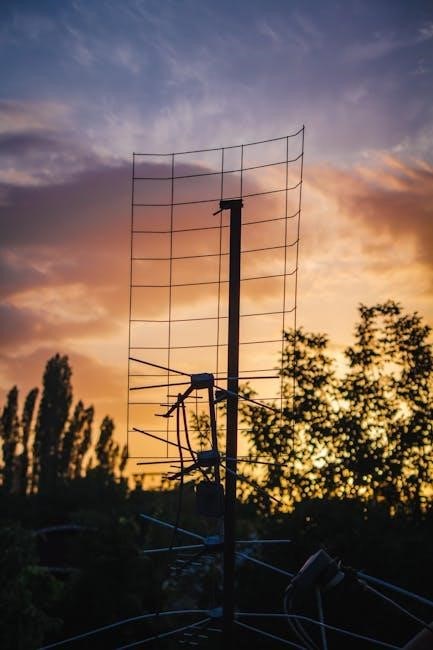
Choosing the right antenna is vital for successful over-the-air TV reception in Pittsburgh; Multi-directional antennas are suitable for suburban areas with transmitters in various locations‚ offering broad coverage․ Directional antennas‚ often Yagi-style‚ excel at pulling in signals from a specific direction‚ ideal for distant stations․
Amplified antennas boost weak signals‚ but can also amplify noise․ Consider a non-amplified antenna first‚ especially if you’re close to transmitters․ Loop antennas are compact and work well for VHF channels‚ while flat‚ indoor antennas are convenient but may have limited range․ Outdoor antennas generally provide the best performance․
Indoor vs․ Outdoor Antennas: Which is Best?
The “best” antenna depends on your location and signal strength․ Indoor antennas are easy to install and affordable‚ suitable for urban areas with strong signals․ However‚ they’re susceptible to interference and offer limited range‚ potentially missing distant channels․
Outdoor antennas‚ while requiring more effort to install‚ deliver superior reception‚ especially in suburban or rural areas․ They’re less affected by household interference and can capture weaker signals․ Consider building materials and obstructions when choosing․ A rooftop mount generally outperforms attic installations․ Evaluate your needs – convenience versus reliable‚ comprehensive channel access․
Optimizing Antenna Placement for Maximum Signal
Achieving optimal signal reception requires strategic antenna placement․ Experiment with different locations‚ both high and low‚ to find the sweet spot․ Avoid obstructions like trees‚ buildings‚ and metal objects․ Windows aren’t always ideal due to signal reflection and attenuation․
For indoor antennas‚ try various walls and heights․ Outdoor antennas benefit from a clear line of sight to broadcast towers․ Utilize online tools to identify tower locations․ Regularly adjust the antenna’s direction for peak signal strength․ Remember‚ even minor adjustments can significantly improve reception quality‚ ensuring a clearer viewing experience․
Troubleshooting Reception Issues
Experiencing pixelation or signal loss? Begin by checking all cable connections and ensuring the antenna is securely mounted․ Signal interference from electronic devices or weather conditions can disrupt reception․ Try relocating the antenna or shielding it from potential sources of interference․

Rescanning for channels is crucial after any antenna adjustment or significant weather event․ This allows your TV to rediscover available broadcasts․ If problems persist‚ consider a signal amplifier‚ but use cautiously as excessive amplification can worsen interference․ Online resources and local forums can offer Pittsburgh-specific troubleshooting advice;
Signal Interference and How to Minimize It
Pittsburgh’s terrain and urban environment can cause signal interference․ Common culprits include buildings‚ trees‚ and even other electronic devices․ Metal objects reflect signals‚ creating “ghosting” or weakening reception․ To minimize interference‚ position your antenna away from these obstructions․
Internal sources like microwaves and Wi-Fi routers can also disrupt signals․ Try relocating these devices or using shielded cables․ Experiment with antenna placement – even small adjustments can significantly improve reception․ Consider a directional antenna focused on broadcast towers for stronger‚ clearer signals‚ reducing unwanted noise․
Rescanning for Channels
Regularly rescanning for channels is crucial for optimal viewing in Pittsburgh․ Broadcasters occasionally change frequencies or add new subchannels․ Your TV needs to be updated to reflect these changes․ Access the “Channel Scan” or “Auto Program” function in your TV’s menu․ This process can take several minutes‚ so be patient․
After adjusting antenna placement or experiencing signal issues‚ rescanning is essential․ It ensures your TV detects all available channels․ Some TVs offer scheduled scans‚ automatically updating the channel list․ Remember to rescan after significant weather events‚ as atmospheric conditions can impact broadcast signals․
Pittsburgh TV Market Ranking and Size
The Pittsburgh Designated Market Area (DMA) holds a significant position within the US television landscape․ Currently ranked 23rd out of 210 TV markets‚ it demonstrates a substantial reach for broadcasters and advertisers․ This ranking indicates a considerable number of households equipped to receive over-the-air signals․
Pittsburgh’s market size reflects its population and geographic coverage․ A higher ranking signifies greater potential viewership and advertising revenue․ Understanding this ranking is vital for antenna users‚ as it suggests a robust selection of available channels and generally favorable signal conditions throughout the region․
Historical Pittsburgh TV Stations (Defunct)
Pittsburgh’s broadcasting history includes several stations that have ceased operations‚ representing a bygone era of local television․ WBPZ-TV (Lock Haven) operated briefly in the late 1950s‚ as did WCHA-TV (Chambersburg) in the early 1950s․ WCMB-TV (Harrisburg) also had a short run during the mid-1950s‚ contributing to the evolving media landscape․
Locally‚ WENS (Pittsburgh) signed on in 1953 but was off the air by 1957․ These stations‚ alongside others like WEEU-TV (Reading) and WFMZ‚ played a role in the initial development of television broadcasting in Western Pennsylvania‚ paving the way for the networks we enjoy today․
WBPZ-TV (Lock Haven)
WBPZ-TV‚ broadcasting from Lock Haven‚ Pennsylvania‚ was a short-lived television station operating from 1958 to 1959․ Though not directly within the Pittsburgh market‚ its signal potentially reached fringe areas‚ representing an early attempt to expand television coverage in rural Pennsylvania․ Details regarding its programming and ownership are scarce‚ reflecting its brief operational period․
As a smaller‚ independent station‚ WBPZ-TV likely offered a mix of local programming and network feeds․ Its closure highlights the challenges faced by early television stations in establishing sustainable viewership and financial viability‚ especially in less populated regions․ It remains a footnote in Pennsylvania’s broadcasting history․

WCHA-TV (Chambersburg)
WCHA-TV‚ located in Chambersburg‚ Pennsylvania‚ operated briefly from 1953 to 1954․ Similar to WBPZ-TV‚ it wasn’t a core Pittsburgh station but potentially offered limited signal reach into western Pennsylvania’s more rural areas․ Its existence represents the rapid expansion of television broadcasting in the early 1950s‚ as numerous smaller stations attempted to serve local communities․
Information about WCHA-TV’s programming is limited‚ but it likely featured a combination of local news‚ community events‚ and network programming․ Its short lifespan suggests difficulties in securing sufficient advertising revenue or competing with established stations․ It serves as a reminder of the volatile early days of television․
WCMB-TV (Harrisburg)
WCMB-TV‚ broadcasting from Harrisburg‚ Pennsylvania‚ was another short-lived station operating from 1954 to 1957․ While not directly serving Pittsburgh‚ its signal may have reached some fringe areas of western Pennsylvania‚ offering an alternative to the primary Pittsburgh channels․ Like other early stations‚ WCMB-TV aimed to provide local programming and network affiliations to its viewing audience․
Details regarding WCMB-TV’s specific programming are scarce‚ but it likely included local news‚ sports‚ and entertainment alongside network shows․ Its relatively brief operational period suggests challenges in maintaining financial viability within the competitive television landscape of the mid-1950s․ It represents a piece of Pennsylvania’s broadcasting history․
WENS (Pittsburgh)
WENS was a Pittsburgh television station that operated from 1953 to 1957․ As an early entrant into the local TV market‚ WENS aimed to serve viewers with a mix of local programming and network content․ Its brief run reflects the challenges faced by independent stations during television’s formative years‚ competing with established networks and limited advertising revenue․
Information about WENS’s specific broadcast schedule is limited‚ but it likely featured local news‚ public affairs programs‚ and syndicated entertainment․ The station’s closure highlights the volatile nature of the early television industry‚ where financial stability was often elusive․ WENS remains a footnote in Pittsburgh’s broadcasting history․
Local TV Listings Resources
Accessing current Pittsburgh TV schedules via antenna requires utilizing specialized online resources․ Several websites compile over-the-air listings‚ providing viewers with program guides for local channels․ These resources often allow filtering by channel‚ network‚ and time‚ ensuring you don’t miss your favorite shows․
Additionally‚ some TV service providers‚ like Armstrong Cable‚ offer listings that include broadcast channels alongside their cable offerings․ Websites dedicated to TV listings generally provide a comprehensive overview of what’s airing‚ helping antenna users stay informed․ Remember to check frequently‚ as schedules can change․
Streaming Services as Alternatives to Antenna TV
While antenna TV provides free access to local channels‚ numerous streaming services offer compelling alternatives in Pittsburgh․ Services like Hulu‚ YouTube TV‚ and Sling TV bundle live TV channels‚ including many available over-the-air‚ alongside on-demand content․ These platforms often provide a more convenient viewing experience‚ with features like cloud DVR and multi-device access․
However‚ streaming requires a reliable internet connection and a monthly subscription fee․ Consider your viewing habits and budget when deciding between antenna TV and streaming․ Some services also offer free trials‚ allowing you to test their offerings before committing․
The Future of Over-the-Air Television
Despite the rise of streaming‚ over-the-air television remains surprisingly resilient in Pittsburgh․ The NextGen TV standard‚ also known as ATSC 3․0‚ promises enhanced picture and sound quality‚ interactive features‚ and targeted advertising․ This upgrade requires a compatible tuner and antenna‚ but offers a significant improvement over current digital broadcasts․

Continued investment in broadcast infrastructure and the potential for new services utilizing ATSC 3․0 could secure a future for free‚ local TV․ However‚ its long-term viability depends on broadcaster adoption and consumer demand amidst increasing streaming options․
Resources for Pittsburgh Antenna TV Information
For comprehensive channel listings and signal coverage maps‚ visit AntennaWeb․org and TVFool․com․ These sites allow you to input your Pittsburgh location to determine which channels you can realistically receive with different antenna types․ RabbitEars․info provides detailed information on transmitter locations and signal propagation․
Additionally‚ local retailers like Best Buy and Home Depot offer antenna selection assistance․ Online forums and communities dedicated to antenna TV‚ such as Reddit’s r/AntennaTV‚ provide valuable user experiences and troubleshooting advice specific to the Pittsburgh area․

Understanding TV Provider Options in Pittsburgh
While this guide focuses on antenna TV‚ Pittsburgh residents also have cable and streaming alternatives․ Armstrong Cable is a primary provider‚ offering various channel packages and bundles․ Their listings can be found on their official website‚ providing a contrast to the free over-the-air options․

Furthermore‚ streaming services like YouTube TV‚ Hulu + Live TV‚ and Sling TV offer live television access without an antenna․ These services require a subscription and internet connection‚ but provide a wider range of channels and on-demand content․ Comparing costs and channel lineups is crucial when choosing a provider․
Armstrong Cable Listings
Armstrong Cable provides a comprehensive channel lineup for Pittsburgh viewers‚ differing significantly from over-the-air antenna broadcasts․ Accessing their detailed listings requires visiting the Armstrong website or utilizing their interactive program guide․ These listings detail showtimes‚ channel numbers‚ and program descriptions for all available packages․
Notably‚ Armstrong offers tiered packages‚ meaning channel availability varies based on subscription level․ Customers can search by channel‚ program title‚ or time to find specific content․ While convenient‚ Armstrong’s service involves a monthly fee‚ contrasting with the free access offered by digital antennas․ Exploring their website is key to understanding their offerings․
Current Pittsburgh TV Schedule (Antenna)
Accessing a real-time‚ comprehensive Pittsburgh antenna TV schedule proves challenging due to the dynamic nature of broadcast programming․ However‚ several online resources aggregate local listings․ As of today‚ February 11‚ 2026‚ WTRF (ABC) features New 7News at 6 PM‚ followed by ABC World News Tonight․ KDKA (CBS) broadcasts news and entertainment‚ while WPXI (NBC) offers a mix of local and national programming․
WQED (PBS) provides educational content‚ and WINP showcases diverse programming․ These schedules are subject to change; rescanning channels regularly ensures an updated program guide․ Websites dedicated to over-the-air TV listings offer more detailed‚ frequently updated schedules․