AIP Diet PDF: A Comprehensive Guide (Updated March 26, 2026)
This guide provides a detailed AIP protocol, focusing on nutrient-dense foods for gut health and symptom management, available as a downloadable PDF resource.
What is the Autoimmune Protocol (AIP) Diet?
The Autoimmune Protocol (AIP) Diet is a highly restrictive elimination diet designed to reduce inflammation and manage autoimmune diseases. It’s essentially a stricter version of the Paleo diet, emphasizing whole, nutrient-dense foods while removing potential irritants. Unlike standard diets, AIP focuses on healing the gut, believing that intestinal permeability contributes significantly to autoimmune responses.
This dietary approach isn’t about long-term restriction; rather, it’s a temporary strategy to calm the immune system. The AIP diet operates in two phases: an elimination phase where foods are removed, and a reintroduction phase where foods are systematically added back to identify individual triggers. It requires comprehensive guidance to ensure nutritional balance and avoid deficiencies, as it significantly limits food choices.
Individuals with conditions like Crohn’s disease, Hashimoto’s Thyroiditis, and ulcerative colitis may find AIP beneficial. However, it’s crucial to consult with a healthcare professional before starting, especially considering potential nutritional concerns and the diet’s complexity.
The Core Principles of AIP
The foundational principles of the AIP diet center around reducing gut permeability – often called “leaky gut” – and minimizing inflammation. This is achieved by removing foods commonly linked to immune reactivity and prioritizing nutrient-dense alternatives. A key tenet is focusing on foods that support gut healing, providing the building blocks for tissue repair and a balanced microbiome.
AIP prioritizes a diet rich in easily digestible proteins, healthy fats, and a wide variety of colorful fruits and vegetables. It’s not simply about what you eat, but how you eat – emphasizing mindful consumption and proper food preparation techniques. The goal is to provide the body with optimal nourishment while simultaneously reducing the burden on the immune system.
Ultimately, AIP aims to restore balance within the body, allowing it to heal and function optimally. It’s a holistic approach, recognizing the interconnectedness of gut health, inflammation, and autoimmune responses.
Why Follow an AIP Diet?
Individuals explore the AIP diet as a potential strategy for managing symptoms associated with autoimmune diseases like Hashimoto’s Thyroiditis, Crohn’s Disease, and Ulcerative Colitis. The diet’s core aim is to reduce inflammation, a common thread in many autoimmune conditions, and address potential gut imbalances that can exacerbate symptoms. It’s often considered when conventional treatments offer incomplete relief or come with undesirable side effects.
By systematically eliminating and reintroducing foods, the AIP diet helps identify individual trigger foods – those that provoke an immune response and contribute to inflammation. This personalized approach allows for a tailored dietary plan, optimizing well-being. Furthermore, AIP emphasizes nutrient density, ensuring the body receives essential vitamins and minerals crucial for healing and immune function.
However, it’s vital to approach AIP with guidance, ensuring nutritional needs are met and deficiencies are avoided.

Phase 1: The Elimination Phase
This initial stage rigorously removes potentially inflammatory foods for a defined period, aiming to calm the immune system and reduce gut inflammation.
Duration of the Elimination Phase
The elimination phase, a cornerstone of the AIP diet, isn’t rigidly fixed but generally spans 30 to 90 days. However, individual timelines vary significantly based on symptom severity and personal response. Many practitioners recommend starting with a minimum of 30 days to allow the gut to sufficiently heal and inflammation to subside.
Crucially, this isn’t a race; it’s about listening to your body. Some individuals may require a longer period – up to several months – before feeling ready to cautiously reintroduce foods. Factors like the specific autoimmune condition, pre-existing nutritional deficiencies, and overall health status influence the duration.
Consistent adherence to the elimination protocol during this phase is paramount for optimal results. It’s vital to avoid “cheating” as even small exposures to eliminated foods can potentially reignite inflammatory responses and hinder progress. Careful monitoring of symptoms throughout the phase helps determine readiness for reintroduction.
Foods to Eliminate During Phase 1
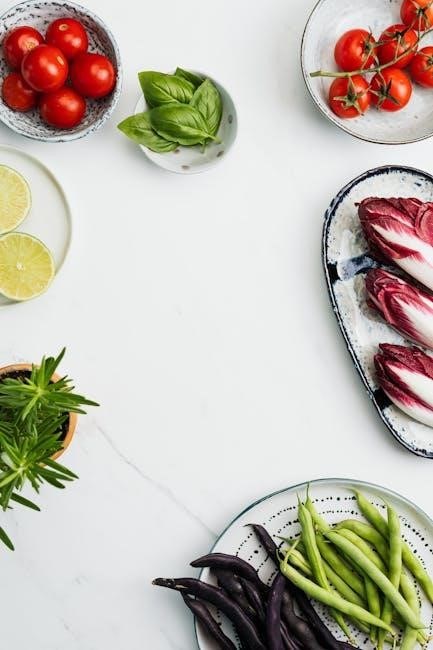
Phase 1 of the AIP diet demands strict avoidance of foods commonly linked to gut inflammation and autoimmune reactivity. This includes all grains – wheat, rice, corn, oats, and others – and all seeds, including sunflower, chia, and flax. Legumes like beans, lentils, and peanuts are also completely excluded, as are all members of the nightshade family: tomatoes, peppers, eggplant, and potatoes.
Dairy products, in all forms, are prohibited, alongside eggs, and all nuts and seeds. Processed foods, additives, refined sugars, and artificial sweeteners are strictly off-limits. Alcohol, coffee, and chocolate also need to be removed. The goal is to minimize potential triggers and allow the gut lining to heal.
Focusing on nutrient-dense alternatives is key during this restrictive phase, prioritizing whole, unprocessed foods to support the body’s healing processes.
Grains and Seeds
During the initial elimination phase of the AIP diet, all grains and seeds are strictly prohibited. This comprehensive exclusion stems from their potential to contribute to gut permeability – often referred to as “leaky gut” – and trigger inflammatory responses in susceptible individuals. Common grains like wheat, rice, corn, barley, rye, and oats must be entirely removed from the diet.
Similarly, all seeds, including sunflower seeds, pumpkin seeds, chia seeds, flax seeds, and sesame seeds, are also eliminated. This extends to seed-based oils and butters. The rationale behind this restriction lies in the presence of lectins and phytates, compounds that can irritate the gut lining and hinder nutrient absorption.
This complete removal aims to provide the digestive system with a period of rest and healing, paving the way for eventual, careful reintroduction.
Legumes
Legumes, encompassing beans, lentils, peas, and peanuts, are entirely excluded during the AIP diet’s elimination phase. This restriction is due to their high content of saponins, phytates, and lectins – compounds known to potentially disrupt gut health and exacerbate autoimmune responses. These substances can contribute to intestinal inflammation and increased intestinal permeability, hindering nutrient absorption.
Peanuts, despite often being considered nuts, are botanically legumes and therefore also prohibited. This includes peanut butter and any products containing peanut derivatives. The AIP diet prioritizes reducing potential gut irritants to allow the immune system to calm and the gut lining to heal.
Removing legumes is a crucial step in minimizing inflammation and supporting overall gut function during the initial phase of the AIP protocol.
Nightshades
Nightshades – including tomatoes, potatoes (white, red, and purple), peppers (bell peppers, chili peppers, paprika), eggplant, and goji berries – are strictly avoided during the AIP elimination phase. These vegetables contain alkaloids, such as solanine, which can potentially trigger inflammation and worsen autoimmune symptoms in sensitive individuals.
The rationale behind eliminating nightshades stems from their potential to disrupt gut health and contribute to increased intestinal permeability. While not everyone reacts negatively to nightshades, their removal is a precautionary measure to allow the gut to heal and the immune system to stabilize.
Careful label reading is essential, as nightshade derivatives can be hidden in processed foods and seasonings. Complete avoidance is key during Phase 1 of the AIP diet.
Dairy
Dairy products – encompassing milk, cheese, yogurt, butter, and whey – are completely excluded during the AIP elimination phase. This restriction is due to dairy’s common inflammatory potential, stemming from proteins like casein and whey, as well as lactose, a sugar many individuals struggle to digest effectively.
Dairy can contribute to gut inflammation and increased intestinal permeability, exacerbating autoimmune responses. It often contains A1 casein, linked to digestive issues and immune activation in susceptible individuals. Even seemingly “healthy” dairy like yogurt can pose problems due to its potential to trigger inflammation.
Hidden dairy ingredients are prevalent in processed foods, so diligent label reading is crucial. Avoiding all dairy allows the gut to heal and reduces potential immune triggers during Phase 1.
Eggs
Eggs, including both the yolk and the white, are strictly prohibited during the initial elimination phase of the AIP diet. This is because egg proteins are frequently identified as immune reactive, meaning they can trigger an inflammatory response in individuals with autoimmune conditions.
Egg proteins, particularly ovalbumin, can contribute to increased intestinal permeability – often referred to as “leaky gut” – and exacerbate autoimmune symptoms. Many people experience sensitivities to eggs without realizing it, leading to subtle but persistent inflammation.
Hidden egg ingredients are common in baked goods, sauces, and processed foods, necessitating careful label scrutiny. Removing eggs allows the gut lining to heal and reduces potential immune system activation during Phase 1, paving the way for reintroduction testing later.
Nuts and Seeds
Nuts and seeds are excluded during the AIP diet’s elimination phase due to their potential to trigger immune responses and contribute to gut inflammation. They contain compounds like lectins and phytates, which can disrupt gut health and exacerbate autoimmune conditions in susceptible individuals.
Specifically, the outer shells of nuts and seeds contain lectins, proteins that can bind to the gut lining and interfere with nutrient absorption. While soaking can reduce some lectins, AIP prioritizes complete avoidance during Phase 1 to maximize healing.
This elimination extends to all nuts – almonds, walnuts, cashews, etc. – and all seeds – chia, flax, sunflower, pumpkin, and sesame. Nut and seed-derived oils, butters, and flours are also off-limits. Reintroduction is carefully managed in Phase 2 to assess individual tolerance.
Processed Foods & Additives
The AIP diet strictly prohibits processed foods and artificial additives, recognizing their detrimental impact on gut health and immune function. These items often contain ingredients that promote inflammation and disrupt the delicate balance of the gut microbiome.
This includes refined sugars, processed oils (like canola, soybean, and corn oil), artificial sweeteners, food colorings, preservatives, and emulsifiers. Packaged snacks, fast food, and pre-made meals are generally unsuitable due to their hidden ingredients.
Furthermore, carrageenan, a common food additive derived from seaweed, is avoided as it can trigger inflammation in some individuals. The focus is on consuming whole, unprocessed foods in their natural state to support healing and reduce immune system stress. Careful label reading is crucial during the elimination phase.
Phase 2: The Reintroduction Phase
This phase carefully reintroduces eliminated foods, one at a time, to identify individual triggers and assess tolerance levels, guided by detailed PDF instructions.
Timing the Reintroduction Phase
Initiating the reintroduction phase prematurely can hinder accurate identification of food sensitivities, potentially exacerbating autoimmune responses. Generally, this phase begins after a strict elimination period – typically 30 to 90 days, or when significant symptom improvement is observed, as detailed in the AIP PDF guide.
Rushing the process can lead to misinterpretations of reactions, making it difficult to pinpoint problematic foods. Patience is crucial; allow sufficient time for the body to stabilize before introducing new items. The PDF resource emphasizes a methodical approach, suggesting a minimum of five to seven days between each reintroduction.
Consider your individual healing journey; those with more severe symptoms may require a longer elimination phase before commencing reintroductions. The AIP PDF provides a timeline template and guidance on assessing readiness, ensuring a personalized and effective reintroduction strategy.
How to Reintroduce Foods
The AIP PDF advocates for a systematic reintroduction process, focusing on single foods to accurately assess tolerance. Begin with a small portion of the chosen food – for example, a tablespoon of coconut milk or a small serving of white rice – and observe for any adverse reactions over 72 hours.
Document everything meticulously, noting any changes in symptoms like digestive issues, skin conditions, energy levels, or joint pain. The AIP PDF includes a detailed symptom tracker for this purpose. Introduce only one new food every five to seven days to isolate potential triggers.
If no reaction occurs, gradually increase the portion size over the observation period. If symptoms arise, immediately eliminate the food and wait until symptoms subside before attempting another reintroduction. The AIP PDF stresses the importance of this careful, methodical approach.
Tracking Your Reactions
The AIP PDF emphasizes diligent symptom tracking as crucial for successful reintroduction. A detailed journal is essential; record everything you eat, the time of consumption, and any subsequent physical or emotional changes. Be specific – note the intensity and nature of symptoms, such as bloating, headaches, fatigue, or skin rashes.
Utilize a standardized scoring system within the AIP PDF’s provided template to quantify symptom severity. This allows for objective comparison and identification of patterns. Track not only negative reactions but also positive ones, like increased energy or improved digestion.
Consistent and thorough tracking helps pinpoint individual trigger foods and understand your unique tolerance levels. The AIP PDF highlights that reactions can be delayed, sometimes appearing hours or even days after consumption, reinforcing the need for meticulous record-keeping.
Protein Sources
The AIP PDF details acceptable protein sources during the reintroduction phase, prioritizing nutrient density and minimizing inflammatory potential. Wild-caught fish, particularly fatty varieties like salmon, are highly recommended due to their omega-3 content. Organ meats, such as liver and heart, are also encouraged for their concentrated nutrient profile, as outlined in the AIP PDF.
Pasture-raised poultry – chicken and turkey – are permitted, ensuring the animals were raised in a healthy, natural environment. Grass-fed beef and lamb can be cautiously reintroduced later, following the guidelines within the AIP PDF.
The AIP PDF explicitly excludes conventional meats, as they may contain inflammatory additives or come from animals raised on grain-based diets. Focus on high-quality, sustainably sourced proteins to support healing and minimize potential reactions.
Vegetables & Fruits
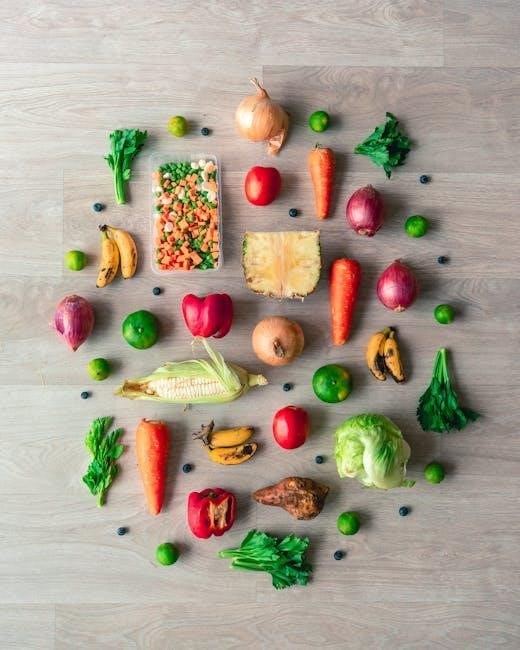
The AIP PDF emphasizes a colorful array of vegetables and fruits, foundational for nutrient intake and gut health. Non-nightshade vegetables like leafy greens (spinach, kale), root vegetables (sweet potatoes, carrots), and cruciferous vegetables (broccoli, cauliflower – reintroduced later) are staples. The AIP PDF details a comprehensive list, categorizing reintroduction priorities.
Fruits are consumed in moderation due to their sugar content, with berries being the most favored option. Apples, pears, and bananas can be reintroduced cautiously, as detailed in the AIP PDF’s reintroduction guidelines. Prioritize organic options whenever possible to minimize pesticide exposure.
The AIP PDF stresses the importance of variety, ensuring a broad spectrum of vitamins, minerals, and antioxidants. Focus on seasonal produce for optimal freshness and nutrient density.
Healthy Fats
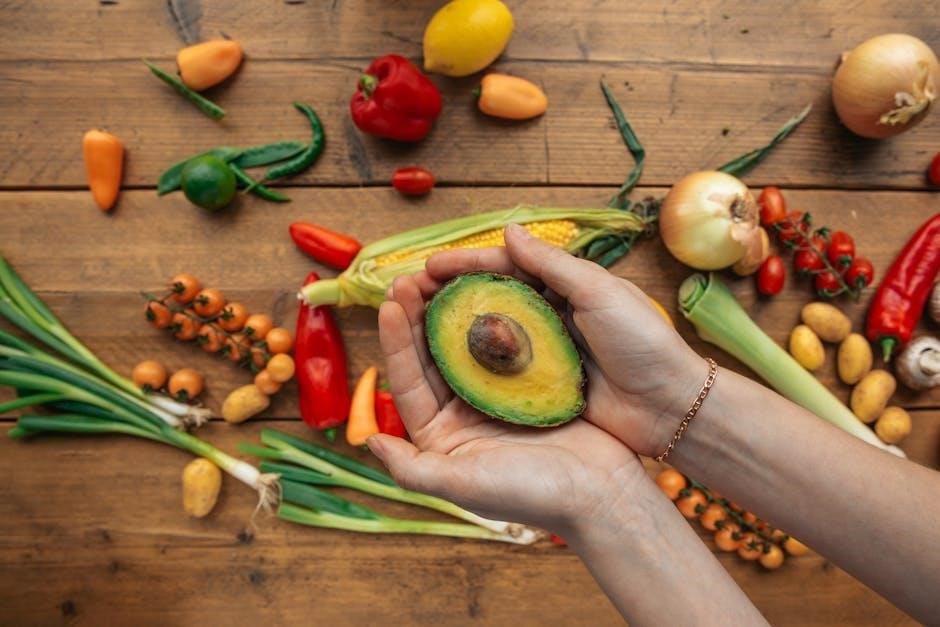
The AIP PDF highlights the crucial role of healthy fats in reducing inflammation and supporting overall health. Avocado and avocado oil are primary sources, providing monounsaturated fats and essential nutrients. Olive oil, specifically extra virgin, is also permitted, offering potent anti-inflammatory properties, as detailed within the AIP PDF.
Coconut products, including coconut oil, coconut milk, and coconut flakes, are encouraged for their medium-chain triglycerides (MCTs), which are easily digestible and provide quick energy. The AIP PDF clarifies appropriate usage amounts.
Fatty fish, like salmon and sardines, are beneficial due to their omega-3 fatty acids, but should be wild-caught to avoid contaminants. The AIP PDF provides guidance on sourcing and preparation methods to maximize benefits.
Potential Benefits & Considerations
The AIP PDF details potential improvements in gut health and reduced inflammation, but also stresses the need for careful nutritional balance and supplementation.
Gut Health & Inflammation
The AIP diet PDF emphasizes a core principle: reducing inflammation by addressing gut permeability, often referred to as “leaky gut.” This protocol meticulously removes foods potentially contributing to inflammation, favoring nutrient-dense alternatives that actively promote gut healing. Sources indicate the diet aims to modify food and beverage choices during periods of colon inflammation.
By eliminating common irritants, the AIP diet seeks to calm the immune system and allow the gut lining to repair itself. The PDF resource details how specific food groups – grains, legumes, nightshades, dairy, eggs, nuts, and processed foods – can exacerbate inflammation in susceptible individuals. A focus on whole, unprocessed foods provides the building blocks for a healthier gut microbiome, crucial for overall well-being and autoimmune disease management. The AIP PDF provides guidance on achieving this balance.
Nutritional Deficiencies & Supplementation
The AIP diet PDF acknowledges potential nutritional gaps due to its restrictive nature. Comprehensive guidance within the PDF is crucial to avoid deficiencies, particularly when implementing the diet long-term. Sources highlight that individuals require support to adopt a nutritionally balanced approach, preventing imbalances.
Eliminating entire food groups – like dairy, eggs, and nuts – can lead to insufficient intake of vital nutrients such as calcium, vitamin D, and essential fats. The AIP PDF resource should detail strategies for obtaining these nutrients through alternative food sources or, when necessary, targeted supplementation. Considerations for personalized supplementation, based on individual needs and potential deficiencies identified through testing, are also vital. Careful planning, guided by the PDF, is essential for sustained health while following the AIP protocol.