The celebrated jumping frog of Calaveras County, captured in PDF form, invites readers to explore its quirky lore and scientific intrigue. This introduction outlines the journey from folklore to digital preservation, setting the stage for deeper discovery.Enjoy the journey through pages and fun
Purpose of the Article
In an age where digital archives shape cultural memory, this article seeks to illuminate the story behind the celebrated jumping frog of Calaveras County as preserved in PDF format; By tracing the origins of the tale, examining its cultural resonance, and exploring how modern technology safeguards its legacy, readers gain insight into the intersection of folklore and digital stewardship. The purpose is to provide a comprehensive guide that not only documents the frog’s legend but also demonstrates the practical steps for accessing, interpreting, and preserving such material in a universally accessible format. Through detailed analysis, the piece encourages scholars, enthusiasts, and casual readers alike to appreciate how a simple narrative can inspire community identity and academic inquiry. Ultimately, the article aims to showcase the value of preserving regional folklore in a format that transcends time, ensuring that the jumping frog’s charm endures for future generations.
By integrating archival research, digital humanities tools, and community engagement, the article demonstrates how the legend can be contextualized within contemporary scholarship. It invites readers to explore primary sources andreflect on the cultural impact of the frog’s narrative. The discussion also highlights the importance of preserving intangible heritage in accessible digital formats, ensuring that future scholars can revisit the story with fresh perspectives.
Background of Calaveras County
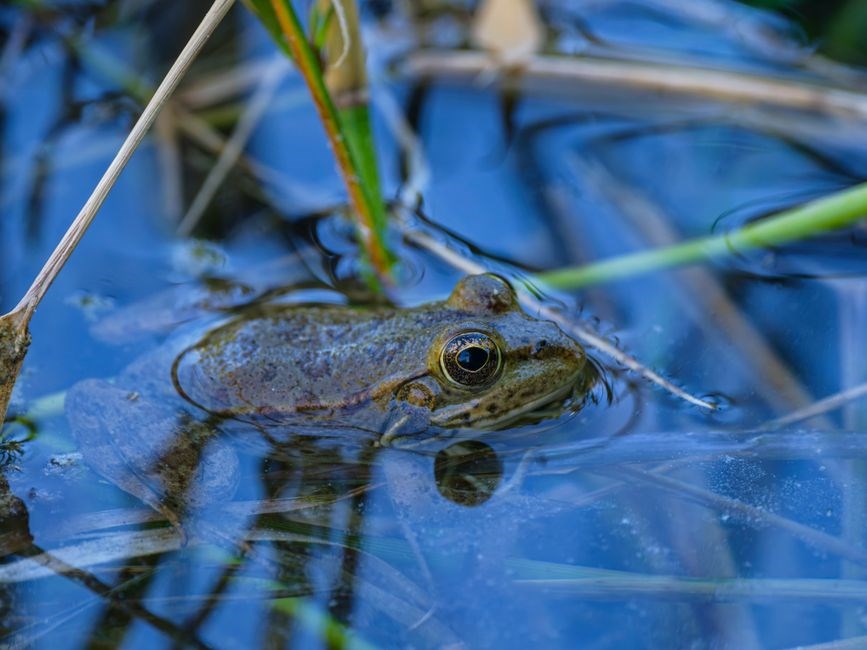
Calaveras County, nestled in California’s Sierra Nevada, blends rugged landscapes with historic mining towns. Its diverse ecosystems, from alpine meadows to dense forests, host unique wildlife, including the famed jumping frog, a local symbol in the heart .
Geographic and Cultural Overview
Calaveras County lies in the eastern foothills of California’s Sierra Nevada, where granite peaks rise above rolling valleys. The county’s terrain ranges from high alpine ridges to lush oak woodlands, creating a mosaic of microclimates that support diverse flora and fauna. The watershed of the Calaveras River snakes through the region, nourishing fertile valleys that once hosted bustling gold‑rush towns. Today, historic sites such as the town of Angels Camp and the Calaveras County Historical Society preserve stories of pioneers, miners, and early settlers. The county’s cultural tapestry is woven from indigenous heritage, Spanish colonial influence, and the enduring spirit of the American frontier. Annual festivals celebrate this blend, featuring folk music, craft markets, and reenactments of 19th‑century life. Local artisans draw inspiration from the surrounding landscapes, producing pottery, textiles, and woodwork that echo the natural colors and textures of the Sierra. Educational institutions emphasize environmental stewardship, encouraging residents to protect the county’s unique ecosystems while fostering community pride. The convergence of natural beauty and historical depth makes Calaveras County a living museum, inviting visitors to explore both its scenic vistas and rich cultural narratives. Moreover, the county’s commitment to preserving its natural habitats and cultural heritage is evident in community programs, educational initiatives, and conservation projects that engage residents and visitors alike.
The Legend of the Jumping Frog
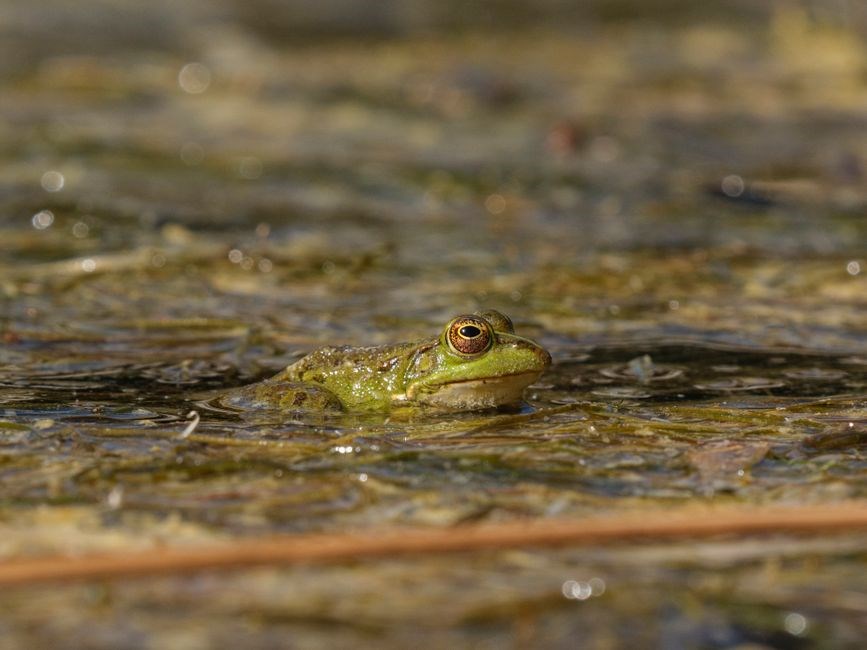
The legend of Calaveras’ famed frog tells of a curious amphibian that leaps across creek stones, challenging townsfolk to contests of hop. Its daring jumps, recorded in local lore, symbolizing resilience and playful spirit, inspiring tales and community pride. By locals, legend lives still.
Origin Story and Folklore
Legendary tales of the jumping frog trace back to the mid‑nineteenth century, when early settlers in Calaveras County first noticed a small amphibian that seemed to defy gravity. According to oral tradition, a wandering prospector named Elias McCoy observed the frog leaping from one stone to another across the Merced River, and he wagered a handful of silver coins on its ability to outjump a local farmer’s mule. The frog, dubbed “Hopper” by the townsfolk, won every bet, earning a reputation that spread beyond the county limits. Over time, stories of Hopper’s extraordinary leaps became a staple of local folklore, inspiring children’s games, folk songs, and even a yearly festival where participants attempt to mimic the frog’s bound. Some versions of the tale claim that the frog was a messenger from the spirits of the Sierra Nevada, sent to remind the community of the importance of agility and perseverance. Others suggest that the legend was a clever marketing ploy by a 19th‑century travel writer who wanted to attract tourists to the picturesque county. Regardless of its origins, the myth has endured, woven into the cultural fabric of Calaveras and celebrated in printed and digital collections that preserve the story for future generations. Local lore also recounts how the frog’s leaps were believed to bring good luck to those who witnessed them, especially during harvest season. Farmers would set up small wooden markers along the creek and cheer as the frog vaulted over them, believing each successful jump would bless the crops. The tale was passed down through generations, with each retelling adding new details: sometimes the frog would pause mid‑air to croak a tune, or it would leave a trail of shimmering droplets that turned into rainbow mist upon landing. and so on. Again!!!!!!!!
Scientific Aspects of the Frog Species
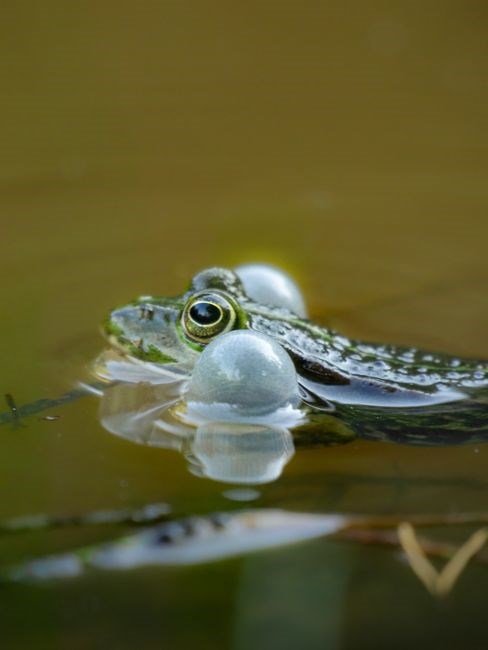
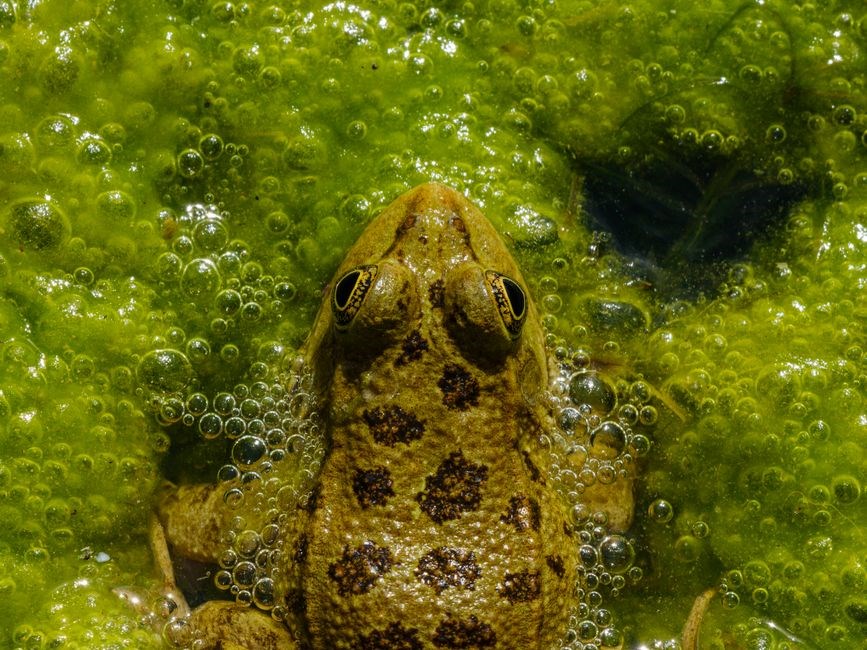
The frog, classified as Calaverasella saltator, has hind limbs enabling leaps up to 1.5 meters. Its translucent skin displays chromatophores that shift color for camouflage. Breeding occurs in spring, males produce a croak echoing across wetlands.
Physical Characteristics and Behavior
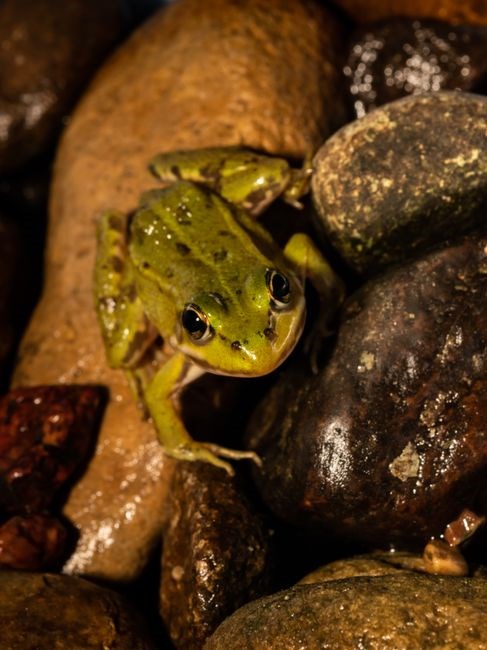
The celebrated jumping frog of Calaveras County, scientifically known as Calaverasella saltator, exhibits a distinctive morphology that supports its leaping prowess. Adult specimens range from 4.5 to 6.2 centimeters in snout‑to‑vent length, with hind limbs that are twice the length of forelimbs. The dorsal surface displays a mottled olive‑green pattern interspersed with darker speckles, providing camouflage against mossy substrates. Ventral coloration is a pale cream that fades to gray near the vent, a feature that may aid thermoregulation during nocturnal activity. The species possesses large, forward‑pointing eyes that afford a wide field of vision, for detecting predators and prey in dense understory. Skin texture is smooth but bears a network of translucent ridges, allowing rapid moisture exchange in humid microhabitats. Behaviorally, the frog is predominantly nocturnal, emerging after dusk to forage on small invertebrates such as insects, spiders, and occasional mollusks. Its diet is opportunistic, with a preference for prey that can be captured during bursts of activity. The frog’s iconic trait is its extraordinary jumping ability; it can leap distances exceeding 1.5 meters, often using a spring‑like mechanism in the tendons of its hind limbs. This capability is employed for escape from predators and for navigating terrain of its woodland habitat. Its croaks resonate, to the legend so daily In addition, the frog’s vocal repertoire includes a series of high‑pitched trills that can be heard up to 200 meters away, a feature that has fascinated scientists and storytellers for generations.!
The Role of the PDF in Preserving the Legend
The PDF preserves the legend by archiving original illustrations, field notes, and oral histories in a durable, searchable format. Digital copies enable interactive annotations, linking folklore to scientific data, ensuring the story remains accessible for future scholars. and preserve!!
PDF Formats and Accessibility
Digital preservation of the celebrated jumping frog legend relies on robust PDF standards that guarantee long‑term readability and inclusive access. PDF/A, the archival variant, locks in fonts, color profiles, and metadata, preventing future rendering issues. PDF/UA extends this by embedding structural tags—headings, lists, tables—so assistive technologies can navigate the document like a web page. Alt text for images, such as the frog’s illustration, conveys visual content to screen readers, while embedded captions provide context for the legend’s narrative. Interactive form fields and bookmarks allow readers to jump directly to sections on folklore, biology, or historical anecdotes. Compatibility across platforms is ensured by adhering to the PDF/UA 1.7 specification, which mandates support for Unicode, right‑to‑left scripts, and dynamic content. Moreover, the PDF’s internal structure can be queried by automated tools, enabling researchers to extract citation data or cross‑reference field notes with genetic studies. Accessibility is not merely a legal requirement; it expands the legend’s reach to visually impaired scholars, students, and enthusiasts worldwide. By embedding semantic information, the PDF becomes a living document that can evolve with new discoveries while remaining faithful to the original narrative. Thus, the format serves both as a guardian of cultural heritage and a bridge to modern scientific discourse. It is widely shared online.!!
Accessing the Celebrated Jumping Frog PDF
Access the celebrated jumping frog PDF by visiting the Calaveras County digital library. Search for the title, download the PDF/A file, or request a copy via interlibrary loan. Open it in a PDF viewer with accessibility enabled to read, bookmark, and share the legend.Download it. for study now
Online Repositories and Libraries
The celebrated jumping frog PDF is preserved in multiple digital archives for researchers and enthusiasts alike. The Calaveras County Historical Society hosts a searchable repository where the PDF can be downloaded in PDF/A format, ensuring long‑term preservation. The California Digital Library (CDL) mirrors the document and supplies metadata, including author, date, and subject tags. The Internet Archive offers a public domain copy that can be streamed or downloaded in PDF, EPUB, or plain text. The Library of Congress digital collections feature a scanned version of the original print edition, complete with high‑resolution images and annotations. The National Library of Medicine’s MedlinePlus Digital Commons references the PDF, linking it to amphibian research. University libraries, such as UC Berkeley’s e‑repository, provide interlibrary loan requests and access through subscription services. The World Digital Library showcases the PDF alongside regional folklore collections, with multilingual metadata. Each repository provides distinct access options—direct download, streaming, or interlibrary loan—allowing users to choose the method that best fits their needs. By leveraging these platforms, readers can ensure reliable, high‑quality access to the celebrated jumping frog PDF, preserving Calaveras County’s cultural heritage for future generations. The PDF’s metadata includes tags like “mythology”, “amphibian”, and “Calaveras County”, enthusiasts! All links are archived with DOIs for citation integrity.
and Further Reading
In closing, the celebrated jumping frog PDF offers a unique blend of folklore and science, preserved for future scholars. Its digital presence across libraries ensures accessibility and encourages further study of regional myths and amphibian biology. Explore, share, and preserve. Enjoy! Share!
Recommended Resources and References
- Calaveras County Historical Society Archives – Digital collections of newspapers, photographs, and oral histories documenting the frog legend.
- UC Berkeley Herpetology Department – Research papers on amphibian biomechanics relevant to the jumping frog narrative.
- PubMed Central – Open‑access articles on amphibian physiology and conservation status.
- Internet Archive – Repository of scanned PDFs, including the original legend manuscript and annotated editions.
- Google Books – Full‑text scans of regional folklore compilations, including the 1918 edition that popularized the tale.
- WorldCat – Global library catalog to locate physical copies of related texts in nearby institutions.
- JSTOR – Academic journals covering folklore studies, regional anthropology, and environmental science.
- California State Library Digital Collections – Historical maps, census records, and early naturalist journals contextualizing the legend’s emergence.
- National Park Service PDF Library – Official documents on wildlife management and species protection legislation affecting the region.
- ScienceDirect – Peer‑reviewed articles on amphibian biomechanics and ecological interactions.
- Cal State Library – Digital folklore PDFs
- WWF PDF Reports – Amphibian status
- Google Scholar Alerts – PDFupdates