Ultrasound-guided fine needle aspiration biopsy of the thyroid utilizes CPT code 10005 for the initial lesion, and 10006 for each additional one.
This technique, a gold standard in imaging, aids in diagnosing conditions like cancer and goiters, extending the physical examination with detailed images.
Accurate CPT coding, alongside on-site pathologist presence, minimizes repeat biopsies, ensuring precise diagnoses and effective patient care within thyroid procedures.
What is an Ultrasound-Guided Thyroid Biopsy?
Ultrasound-guided thyroid biopsy is a minimally invasive procedure used to evaluate suspicious nodules within the thyroid gland. It involves utilizing real-time ultrasound imaging to precisely guide a fine needle into the targeted nodule, allowing for the collection of cells for microscopic examination. This technique is crucial for determining whether a nodule is benign or potentially cancerous.
The procedure begins with a high-resolution ultrasound scan of the thyroid to identify and characterize any nodules. CPT codes 10005 (initial lesion) and 10006 (each additional lesion) are specifically assigned to this process, reflecting the complexity and precision involved. The ultrasound not only visualizes the nodule but also guides the needle, ensuring accurate sampling and minimizing the risk of damaging surrounding structures.
A fine needle is then inserted through the skin and into the nodule, guided by the ultrasound beam. Cells are aspirated, or drawn out, and placed on a slide for a pathologist to analyze. This allows for a definitive diagnosis, guiding appropriate treatment decisions. The entire process is generally well-tolerated by patients, often requiring only local anesthesia. The use of ultrasound significantly improves the accuracy and safety of thyroid biopsies.
Why is Ultrasound Guidance Important?
Ultrasound guidance is paramount in thyroid biopsies due to the small size and deep location of many thyroid nodules. Without it, accurately targeting these nodules with a fine needle would be significantly more challenging and prone to error. The real-time visualization provided by ultrasound ensures the needle reaches the precise location within the suspicious area, maximizing diagnostic yield.
This guidance is directly linked to accurate CPT coding – codes 10005 and 10006 – as it represents a specialized skill and increased precision. Ultrasound also helps avoid critical structures like blood vessels and the trachea, minimizing the risk of complications. It allows physicians to differentiate between solid nodules, cystic nodules, and complex lesions, tailoring the biopsy approach accordingly.
Furthermore, ultrasound helps identify the most representative areas within a nodule for sampling, increasing the likelihood of a definitive diagnosis. Studies demonstrate that on-site pathologist presence, coupled with ultrasound guidance, reduces the need for repeat biopsies. Thyroid ultrasonography is considered the gold standard for imaging, making ultrasound guidance an indispensable component of accurate and safe thyroid nodule evaluation.

CPT Codes for Ultrasound-Guided Thyroid Biopsy
CPT codes 10005 (initial lesion) and 10006 (each additional lesion) define ultrasound-guided thyroid biopsies. Accurate coding reflects the procedure’s precision and skill.
These codes are essential for proper billing and documentation, ensuring appropriate reimbursement for this vital diagnostic service.
CPT Code 10005: Initial Lesion
CPT code 10005 specifically represents the ultrasound-guided fine needle aspiration (FNA) biopsy performed on the first thyroid lesion identified during the ultrasound examination. This code encompasses the entire process, starting with real-time ultrasound visualization to precisely locate and access the suspicious nodule. It includes the needle insertion, aspiration of cells, and preparation of the specimen for pathological analysis.
The application of 10005 is crucial for accurate billing when a patient presents with one or more thyroid nodules requiring biopsy. It’s important to note that this code is only utilized for the initial target. Any subsequent lesions biopsied during the same session will require a separate code – 10006 – to reflect the additional work and resources involved. Proper documentation detailing the location, size, and characteristics of the initial lesion is paramount for justifying the use of this code.
Furthermore, understanding the nuances of ultrasound guidance is key. The ultrasound isn’t merely used for visualization; it’s integral to the entire biopsy procedure, ensuring accuracy and minimizing the risk of complications. Therefore, the use of 10005 inherently implies the utilization of ultrasound guidance throughout the FNA process.
CPT Code 10006: Each Additional Lesion
CPT code 10006 is utilized for each additional thyroid lesion biopsied during the same ultrasound-guided fine needle aspiration (FNA) procedure, following the initial lesion coded with 10005. This code acknowledges the incremental work involved in targeting and sampling multiple nodules within the thyroid gland during a single session.
It’s essential to understand that 10006 is never billed independently; it always requires the preceding use of 10005 to denote the first biopsied lesion. Each subsequent FNA, guided by ultrasound, necessitates a separate 10006 code. Accurate documentation is vital, clearly outlining the number of lesions biopsied and their respective locations. This ensures appropriate reimbursement and avoids potential coding errors.
The application of 10006 reflects the increased time, skill, and resources required to perform multiple biopsies. Maintaining precise records of each lesion’s characteristics and the FNA procedure itself is crucial for supporting the use of this code. Proper coding practices contribute to accurate billing and a clear representation of the services provided to the patient.
Understanding Modifiers with Thyroid Biopsy Codes
CPT modifiers play a crucial role in accurately representing the services performed during an ultrasound-guided thyroid biopsy, particularly when complexities arise. Modifier -59, indicating distinct procedural services, may be appended to 10006 when multiple lesions are biopsied in separate anatomical compartments, justifying separate reimbursement.
The use of modifier -22, signifying an increased procedural service, could be considered if the biopsy is unusually complex due to lesion location, patient anatomy, or technical challenges. Thorough documentation supporting the increased work is essential. Modifier -LT or -RT denotes left or right thyroid lobe biopsies, providing specificity when unilateral procedures are performed.
Careful consideration of these modifiers ensures accurate billing and reflects the true extent of the service provided. Incorrect modifier usage can lead to claim denials or reduced reimbursement. Staying updated on coding guidelines and payer policies regarding thyroid biopsy procedures is vital for compliant billing practices. Proper modifier application, supported by detailed documentation, is key to maximizing appropriate revenue.
The Biopsy Procedure Itself
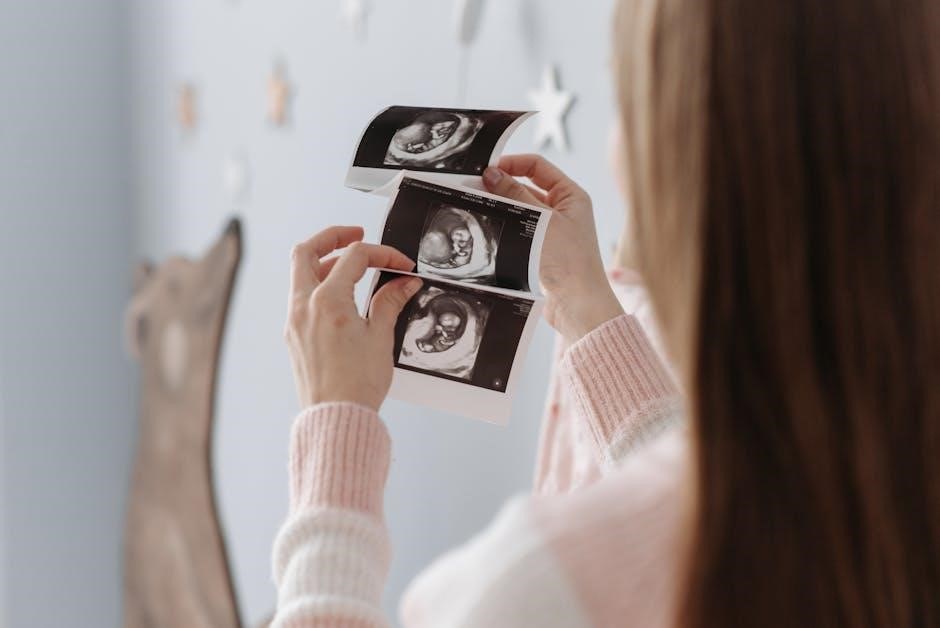
Ultrasound guides the fine needle aspiration (FNA) biopsy, utilizing CPT codes 10005/10006. Real-time imaging ensures precise needle placement within thyroid nodules for accurate sampling.
Patient preparation and skilled technique are vital for successful, safe biopsies.
Patient Preparation Before the Biopsy
Prior to an ultrasound-guided thyroid biopsy, meticulous patient preparation is crucial for a smooth and accurate procedure. While specific instructions may vary between facilities, several standard steps are generally followed. Patients are typically informed about the procedure, its potential risks, and benefits, and given the opportunity to ask questions.
Regarding medications, patients should inform their physician about all current medications, including blood thinners, as these may need to be temporarily adjusted to minimize bleeding risk. Fasting is usually not required, but patients may be asked to avoid caffeine or other stimulants before the biopsy.
The patient will be positioned comfortably, usually lying on their back with their neck extended. The skin over the thyroid nodule will be cleaned with an antiseptic solution to prevent infection. It’s important to note that the CPT codes (10005/10006) cover the procedure itself, not the preparatory steps, but these steps are integral to a successful biopsy. Patients should also be made aware of what to expect during and after the procedure, including potential discomfort or minor bleeding.
Clear communication and thorough preparation contribute significantly to a positive patient experience and reliable diagnostic results.
The Role of Ultrasound During the Procedure
Ultrasound is absolutely central to the accuracy and safety of a thyroid biopsy, directly influencing the correct application of CPT codes 10005 and 10006. It provides real-time visualization of the thyroid gland and the targeted nodule, allowing the physician to precisely guide the biopsy needle. This guidance is critical for accessing the nodule, avoiding vital structures like blood vessels and nerves, and ensuring samples are obtained from representative areas.
During the procedure, the ultrasound transducer is held against the patient’s neck, generating images that display the nodule’s size, shape, and internal characteristics. The needle is advanced under continuous ultrasound guidance, allowing the physician to visualize its path and confirm its position within the nodule.
Ultrasound also helps to identify any cystic components within the nodule, guiding aspiration if necessary (potentially coded separately with 76942 or 19000). The real-time imaging ensures accurate targeting, minimizing the risk of complications and maximizing the diagnostic yield of the biopsy. Without ultrasound, the procedure would be significantly less precise and potentially unsafe.
Fine Needle Aspiration (FNA) Technique
Fine Needle Aspiration (FNA), performed under continuous ultrasound guidance and coded with CPT codes 10005 (initial lesion) and 10006 (each additional lesion), involves using a thin needle to extract cells from the thyroid nodule for microscopic examination. After local anesthesia, the physician inserts a small-gauge needle, typically 22-27 gauge, into the nodule while visualizing its path on the ultrasound screen.
Gentle back-and-forth movements are applied while the needle is within the nodule to collect an adequate sample of cells. The ultrasound ensures the needle remains within the target area, maximizing diagnostic accuracy. Multiple passes may be necessary, particularly for larger nodules or those with cystic components, each potentially contributing to the overall coding.
The collected cells are then expelled onto a glass slide, fixed, and sent to a pathologist for analysis. Proper technique, guided by real-time ultrasound imaging, is crucial for obtaining a representative sample and minimizing patient discomfort. The pathologist’s on-site presence can reduce the need for repeat biopsies.
Accuracy and Limitations of Ultrasound-Guided Biopsy
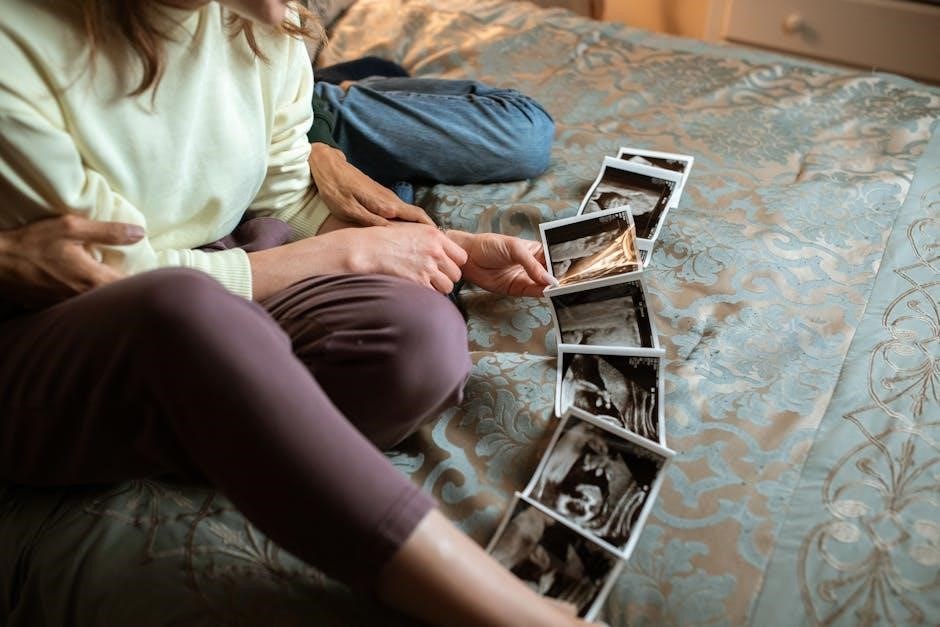
CPT codes 10005 & 10006’s diagnostic yield varies by specialty; nondiagnostic results can occur. Pathologist on-site presence improves accuracy, reducing repeat biopsies.
Thyroid ultrasound is a gold standard, but limitations exist.
Factors Influencing Nondiagnostic Results
Several factors can contribute to nondiagnostic results when performing ultrasound-guided fine needle aspiration (FNA) biopsies of thyroid nodules, despite utilizing the correct CPT codes like 10005 and 10006. The likelihood of obtaining a non-diagnostic sample appears to vary significantly depending on the physician’s specialty performing the procedure. Research suggests that certain specialties may have higher rates of inadequate samples compared to others, potentially due to differences in technique, experience, or patient populations.
Technical aspects also play a crucial role. Insufficient material aspirated, improper needle positioning, or excessive blood contamination can all lead to a sample unsuitable for accurate pathological evaluation. The size and characteristics of the nodule itself can also influence the outcome; smaller nodules or those with a predominantly cystic component may be more challenging to sample effectively. Furthermore, the presence of extensive fibrosis or calcifications within the nodule can hinder needle passage and cellular yield.
Patient-related factors, such as the use of anticoagulation medications, can increase the risk of bleeding during the procedure, potentially obscuring the sample. Finally, inadequate ultrasound guidance or improper technique can contribute to misdirected needle placement, resulting in a non-diagnostic sample. Addressing these factors through standardized protocols, operator training, and careful patient selection can help minimize the incidence of nondiagnostic results.
The Impact of Pathologist On-Site Presence
Having a pathologist present during ultrasound-guided thyroid biopsies, billed using CPT codes 10005 and 10006, significantly impacts diagnostic accuracy and reduces the need for repeat procedures. Studies demonstrate that immediate on-site evaluation (IOS) of the aspirated samples allows for real-time assessment of sample adequacy, ensuring sufficient cellular material is collected for accurate diagnosis.
When a pathologist is present, they can immediately identify and address issues like insufficient cellularity, blood contamination, or misidentification of tissue types. This immediate feedback allows the clinician to re-attempt the aspiration during the same session, avoiding a potentially unnecessary second procedure for the patient. This is particularly crucial in cases where the initial sample is deemed inadequate, saving both patient anxiety and healthcare resources.
IOS also facilitates rapid triage of samples, allowing for immediate preparation and potential ancillary studies, such as molecular testing, if indicated. Ultimately, on-site pathologist presence enhances the efficiency and effectiveness of ultrasound-guided thyroid FNA, leading to more accurate diagnoses and improved patient outcomes, while optimizing the use of appropriate CPT coding.
Thyroid Ultrasound as a Gold Standard
Thyroid ultrasonography is widely recognized as the gold standard for imaging the thyroid gland and cervical lymph nodes, playing a crucial role in guiding fine needle aspiration (FNA) biopsies, billed with CPT codes 10005 and 10006. Its non-invasive nature, lack of ionizing radiation, and high resolution make it ideal for initial evaluation and risk stratification of thyroid nodules.
Ultrasound allows for precise visualization of nodule characteristics – size, shape, margins, echogenicity, and vascularity – all of which contribute to assessing the likelihood of malignancy. This information guides the clinician in selecting appropriate nodules for biopsy and determining the optimal approach. The ability to visualize the needle in real-time during FNA ensures accurate targeting of suspicious areas within the nodule, maximizing diagnostic yield.
Furthermore, ultrasound facilitates the identification of cystic lesions, guiding aspiration procedures coded as 76942 or 19000. Its comprehensive assessment capabilities, combined with the precision of ultrasound-guided FNA, establish thyroid ultrasound as the cornerstone of diagnostic evaluation, ensuring accurate CPT code application and effective patient management.

Billing and Coding Considerations
CPT codes 10005 & 10006 are specific to ultrasound-guided thyroid FNA; differentiate them from other procedures like cyst aspiration (76942, 19000).
Detailed documentation supporting medical necessity is crucial for accurate coding and appropriate reimbursement for these thyroid biopsies.
Distinguishing Thyroid Biopsy Codes from Other Procedures
Accurate coding for ultrasound-guided thyroid biopsies requires careful differentiation from other related procedures. CPT codes 10005 (initial lesion) and 10006 (each additional lesion) are specifically designated for fine needle aspiration (FNA) guided by ultrasound within the thyroid gland. It’s crucial to avoid inappropriately using codes intended for different anatomical sites or techniques.
For instance, simple cyst aspiration of the thyroid, which doesn’t necessarily involve a diagnostic biopsy, is coded differently, often utilizing codes 76942 or 19000. These codes represent a less complex procedure focused solely on fluid removal, not cellular analysis. Similarly, procedures performed under CT guidance utilize distinct CPT codes (like 10009 and 10010) and should not be confused with ultrasound guidance.
Furthermore, distinguishing between diagnostic FNA and therapeutic aspirations is vital. The thyroid biopsy codes (10005/10006) emphasize the diagnostic component – obtaining cells for pathological examination. Proper documentation clearly outlining the procedure’s intent (diagnostic vs. therapeutic) is essential for justifying the correct code selection and avoiding claim denials.
Coding for Cyst Aspiration (76942, 19000)
When performing ultrasound-guided cyst aspiration of the thyroid, coders must select between CPT codes 76942 and 19000, depending on the specific approach and documentation. Code 76942 specifically describes ultrasound guidance for needle placement during cyst aspiration, focusing on the imaging component. However, code 19000, aspiration of cyst or pseudocyst, can also be utilized when aspiration is the primary service provided, even with ultrasound guidance.
The key distinction lies in whether the procedure is solely an aspiration or includes a diagnostic component like fine needle aspiration (FNA) for cellular analysis, which would necessitate codes 10005 or 10006. If both aspiration and FNA are performed during the same session, appropriate coding requires reporting both procedures separately.
Accurate documentation is paramount. The procedure note should clearly state whether the aspiration was purely therapeutic or included a diagnostic component. This detail dictates the correct CPT code selection and ensures appropriate reimbursement, avoiding potential audits or claim rejections.
Documentation Requirements for Accurate Coding
Precise documentation is crucial for accurate CPT coding of ultrasound-guided thyroid biopsies. The medical record must clearly delineate the number of lesions biopsied to correctly apply codes 10005 (initial lesion) and 10006 (each additional lesion). Simply stating “thyroid nodule biopsy” is insufficient; the exact count is essential.
Detailed descriptions of the procedure itself are also vital. This includes specifying whether cyst aspiration was performed alongside the FNA, influencing code selection between 76942/19000 and the FNA codes. Documentation should confirm ultrasound guidance was utilized throughout the entire procedure, justifying its inclusion in the coding.
Furthermore, the report should indicate if a pathologist was present on-site, as this impacts the quality and reliability of the results. Any complications encountered during the biopsy must be documented. Complete and accurate records minimize coding errors, facilitate appropriate reimbursement, and support quality patient care.
Advanced Techniques & Future Trends
CPT coding evolves with techniques like elastography and molecular marker integration in ultrasound-guided thyroid biopsies.
Artificial intelligence promises improved ultrasound interpretation, potentially refining lesion characterization and biopsy guidance.
These advancements may necessitate new or modified CPT codes in the future.
Elastography in Thyroid Biopsy
Elastography, an adjunct to conventional ultrasound, assesses thyroid nodule stiffness, potentially differentiating benign from malignant lesions without immediate biopsy. This technique, however, doesn’t currently have a dedicated CPT code for standalone use during ultrasound-guided procedures.
When integrated with a fine needle aspiration (FNA) biopsy – billed using codes 10005 (initial lesion) or 10006 (each additional lesion) – elastography’s contribution isn’t separately reimbursed. It’s considered part of the overall diagnostic process. The current coding landscape doesn’t recognize elastography as a distinct, billable component of the thyroid FNA.
Despite this, elastography significantly influences biopsy decision-making, potentially reducing unnecessary procedures. Future coding updates might address this, recognizing the value of elastography in refining risk stratification and guiding targeted biopsies. Currently, documentation should clearly detail elastography findings as part of the overall ultrasound report supporting the FNA and associated CPT codes.

Molecular Markers and Biopsy Guidance
Integrating molecular markers with ultrasound-guided thyroid biopsies represents a significant advancement, yet current CPT coding doesn’t specifically address the cost of molecular marker analysis performed during the biopsy procedure itself. Standard CPT codes – 10005 for the initial lesion and 10006 for each additional – cover the FNA guided by ultrasound, but not the molecular testing.
If molecular testing is performed on the FNA sample, it’s typically billed separately using relevant molecular pathology CPT codes, distinct from the biopsy procedure. These codes depend on the specific test performed (e.g., gene mutation analysis). Accurate documentation is crucial to justify the separate billing for molecular studies.
The use of molecular markers aims to refine risk stratification and improve diagnostic accuracy, potentially reducing indeterminate FNA rates. While not directly impacting the ultrasound-guided biopsy CPT codes, these tests enhance the overall clinical value and patient management following the initial procedure, requiring separate coding and reimbursement.
Artificial Intelligence in Ultrasound Interpretation
The integration of Artificial Intelligence (AI) into ultrasound interpretation for thyroid biopsies doesn’t currently alter the existing CPT coding for the procedure itself (10005 for initial lesion, 10006 for each additional). The CPT codes remain focused on the physical act of ultrasound guidance and FNA, not the interpretive technology used.
However, AI’s role in enhancing image analysis and potentially improving diagnostic accuracy may lead to future coding considerations. Currently, AI serves as a tool to assist radiologists, and its use is considered part of the professional component of the interpretation, covered within the global CPT code.

If AI were to perform a significant portion of the interpretive work independently, separate coding for AI-driven analysis might be considered in the future. Detailed documentation of AI’s contribution to the diagnostic process will be essential as the technology evolves, potentially influencing future reimbursement policies related to thyroid ultrasound and biopsy.